Long Island sits directly in the path of nor'easters, with hundreds of miles of shoreline and low-lying neighborhoods on both the North and South Shores. When a big system stalls offshore, wind-driven rain, storm surge and power loss can hit thousands of homes at once, and the season for it runs from November straight through March. Here is how to protect your home before a storm, how to stay safe during it, and what to do the moment it passes.
Why Long Island is so exposed
Two things make the Island vulnerable. The first is geography: a narrow strip of land surrounded by water means surge and tidal flooding push inland fast, especially around the bays, inlets and canals of the South Shore and the harbors of the North Shore. The second is time. A nor'easter can sit for two or three days, dumping far more rain and sustaining damaging wind far longer than a passing thunderstorm. The result is water from below, through the basement, and water from above, through roofs and windows the wind has opened up.
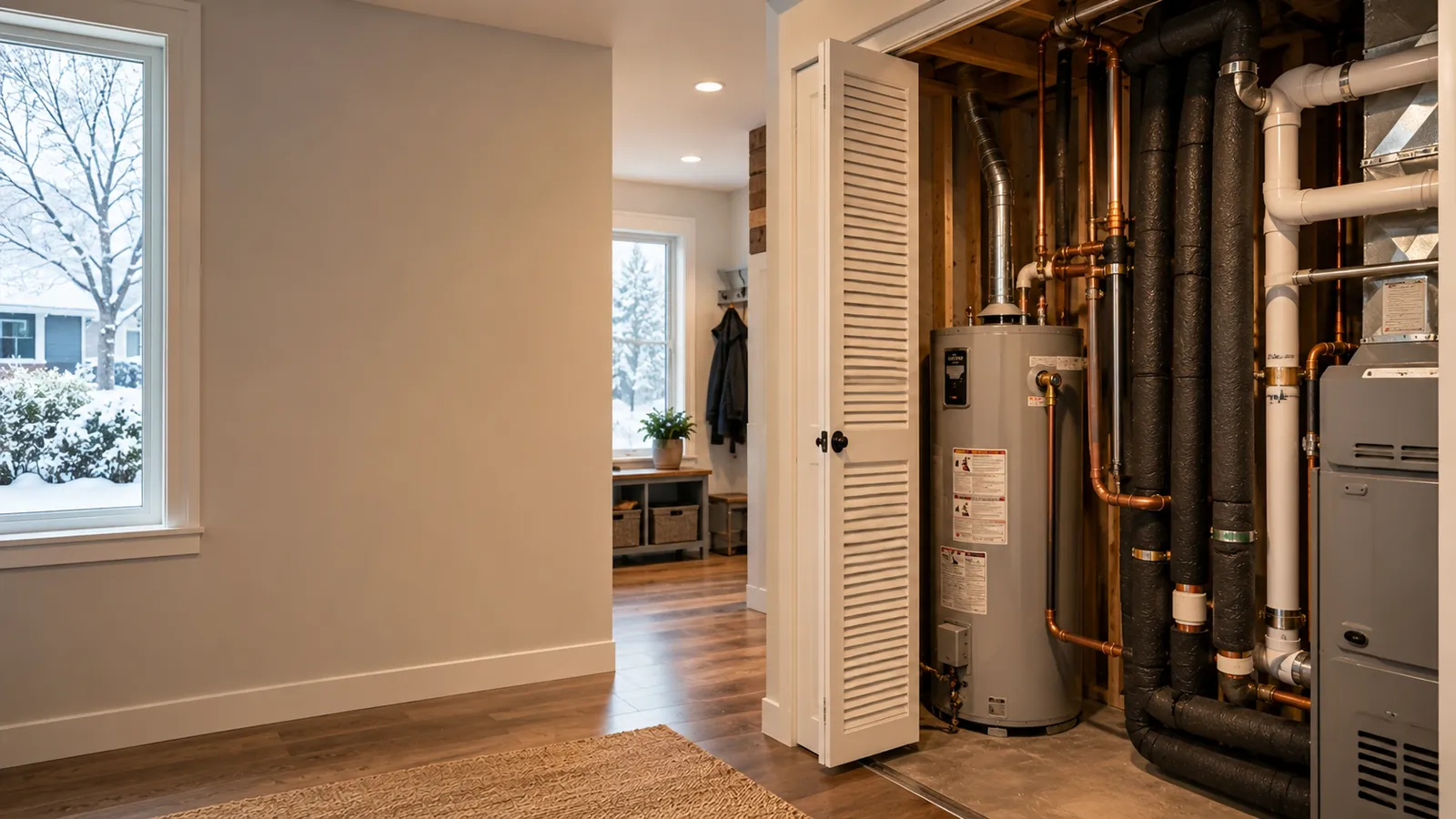
Winter adds a third problem. The same storm can bring rain, sleet, heavy snow and a hard freeze in sequence, and when the power goes out the heat goes with it. Pipes in exterior walls freeze and burst in homes that never took on a drop of floodwater; our guide to preventing frozen and burst pipes is worth reading before the first cold snap.
Before the storm: prepare the house
- Clear gutters and downspouts so roof water drains away from the foundation instead of into it.
- Move valuables, electronics, documents and anything irreplaceable out of the basement and off ground-floor floors.
- Test the sump pump by pouring water into the pit. If you are flood-prone, a battery backup matters, because pumps fail at the exact moment the power does.
- Look at the roof from the ground for lifted shingles and loose flashing, and have it checked if you are not sure.
- Secure or bring in outdoor furniture, grills and anything that can become airborne.
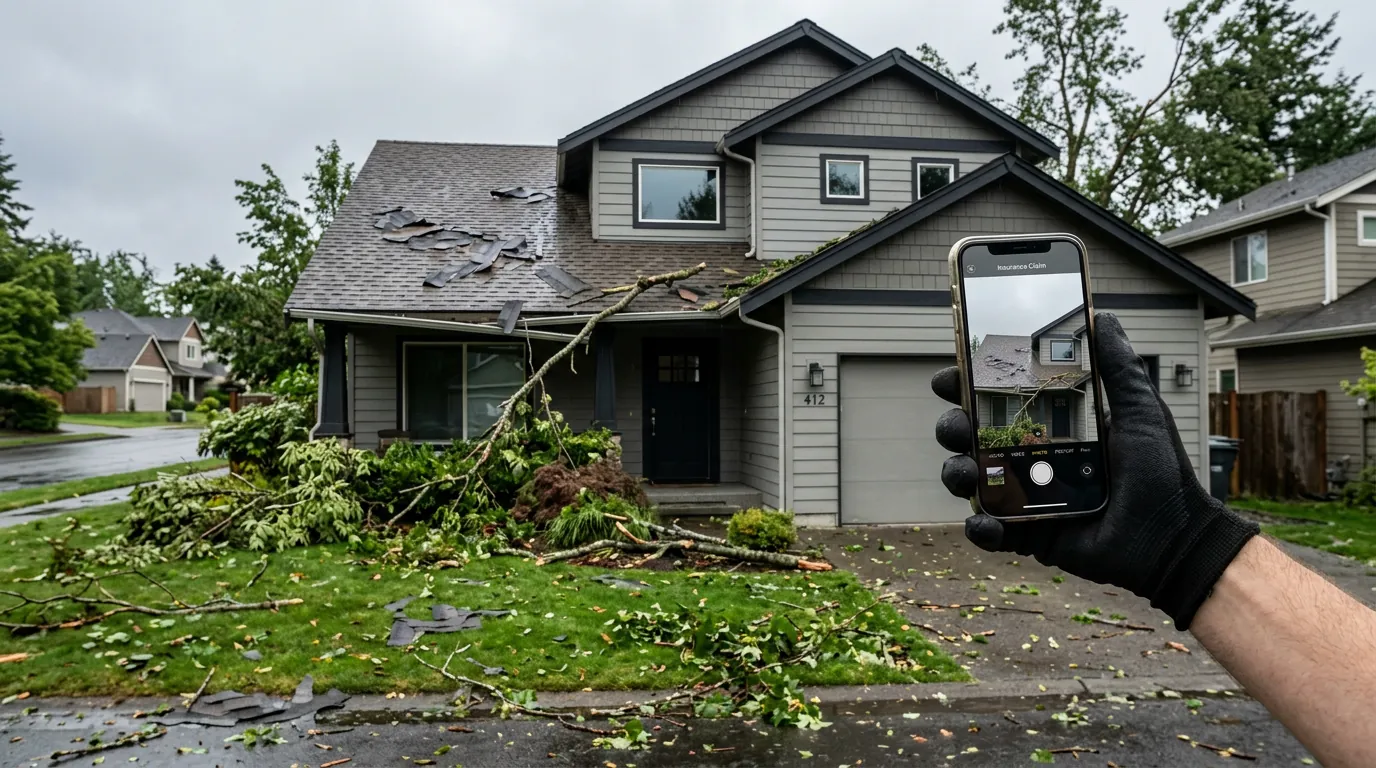
- Photograph every room and the exterior now. Pre-storm photos make proving storm damage far easier later.
- Know where the water shut-off, the electrical panel and the gas valve are.
- If you lose power, know how you will keep the house above freezing, and never run a generator indoors.
Flood insurance has a waiting period. You cannot buy a policy as the storm approaches and expect it to pay, and standard homeowners policies exclude flooding from outside. If you live in a flood-prone area, that is a decision for a calm week in the fall.
During the storm: stay safe
Property is replaceable; you are not. Stay indoors and away from windows. If water begins entering the house, move to the highest safe floor, never into a closed attic where rising water can trap you. Do not walk or drive through floodwater: it hides downed lines, open drains, debris and currents, and in a basement it can be energized by a submerged outlet or appliance. If you smell gas or see sparking, leave and call for help from a safe place.
After the storm: the first 24 hours
Once it is safe, act quickly. The first day sets up everything that follows.
- Check for hazards before you re-enter: structural damage, the smell of gas, water near outlets or the panel.
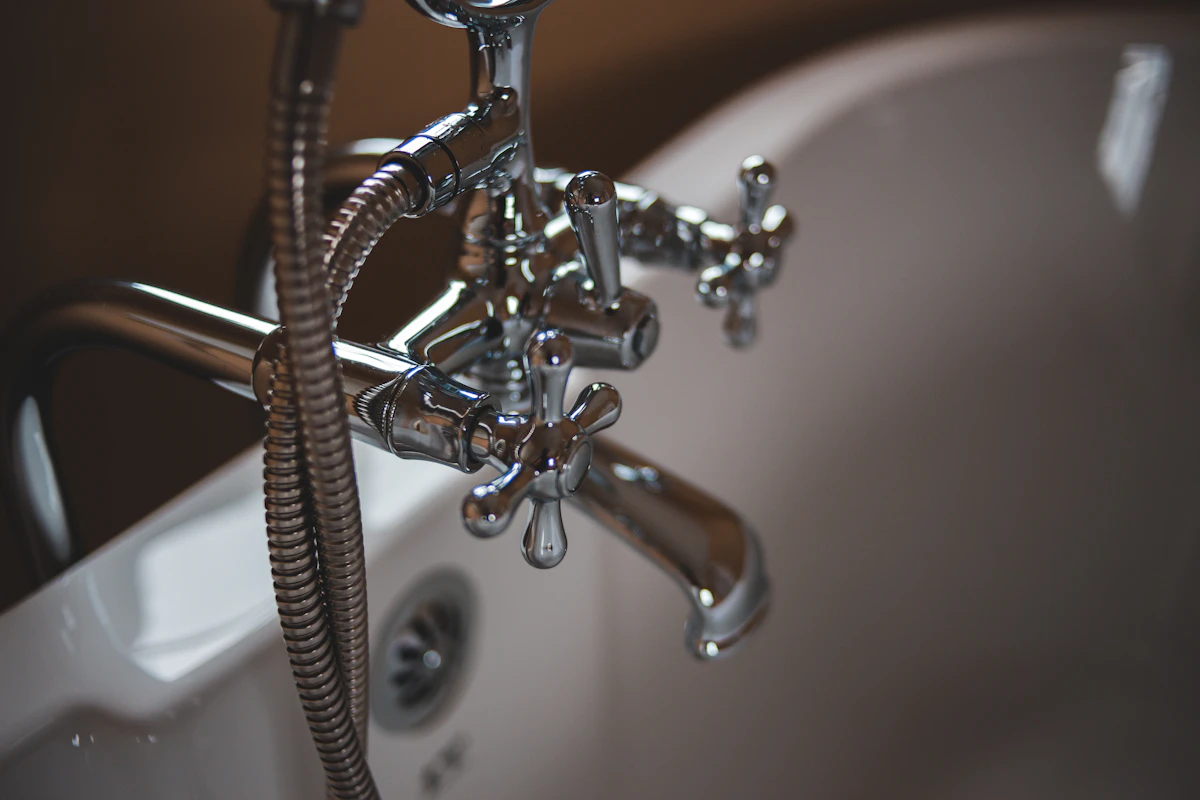
- Stop the water if it is still coming. Tarp a roof breach, get the sump running, and if a pipe let go, shut the main; the first 30 minutes after a pipe bursts walks through it.
- Document everything with photos and video before you move or throw anything away: the water line on the walls, every affected room, the exterior and the roof from the ground.
- Start drying what you safely can. Open windows if the weather allows, run fans and dehumidifiers, but never enter standing water near electrical.
- Call your carrier and a restoration company early. Demand spikes after a regional storm, and the first callers are scheduled first. Our storm damage restoration crews handle emergency tarping, board-up and water extraction around the clock.
Floodwater is not just water
Water that came in from the street, the bay or the drains is Category 3, or "black water," the most contaminated class. It can carry sewage, chemicals and bacteria from roads, yards and overwhelmed systems, and that changes everything about cleanup. Porous materials that sat in it, such as carpet and padding, saturated drywall and insulation, generally cannot just be dried and kept; they have to be removed and the space professionally sanitized. Because the Island's humidity lingers after storms, mold can take hold within 24 to 48 hours if drying is delayed, which is where our water damage restoration and mold remediation crews come in. Signs of mold behind your walls covers what to watch for in the weeks after.
Documenting damage for your claim
Good documentation is what gets claims paid quickly and fairly. Before cleanup, capture wide shots of each affected room and close-ups of damaged items, note the date and time, and keep receipts for anything you buy for emergency mitigation: tarps, a pump, a hotel if you are displaced. Do not discard damaged materials until your adjuster has seen them or you have documented them thoroughly. Our step-by-step guide to documenting storm damage for an insurance claim covers exactly what adjusters look for, and a restoration company can produce a detailed damage report and work directly with your adjuster.
When to call a restoration crew
Call right away if there is standing water, sewage or flood-water contamination, a roof or window breach letting rain in, or an affected area larger than a small spill you can dry yourself. Speed is the whole game after a storm: the faster water is extracted and the structure is dried, the more of your home is saved and the lower the final cost. We are headquartered in Deer Park and available 24/7 across Long Island and the NYC metro. Reach us here or call the emergency line.