On Long Island, where a large share of homes still run on oil heat, the first real cold snap is when puff backs happen. A puff back is a sudden burst of soot from a malfunctioning oil furnace or boiler that can coat an entire home in greasy black film in seconds — and the good news is that almost every one is preventable. Here is how to keep your heating system from turning into a whole-home cleanup job this winter.
What a puff back actually is
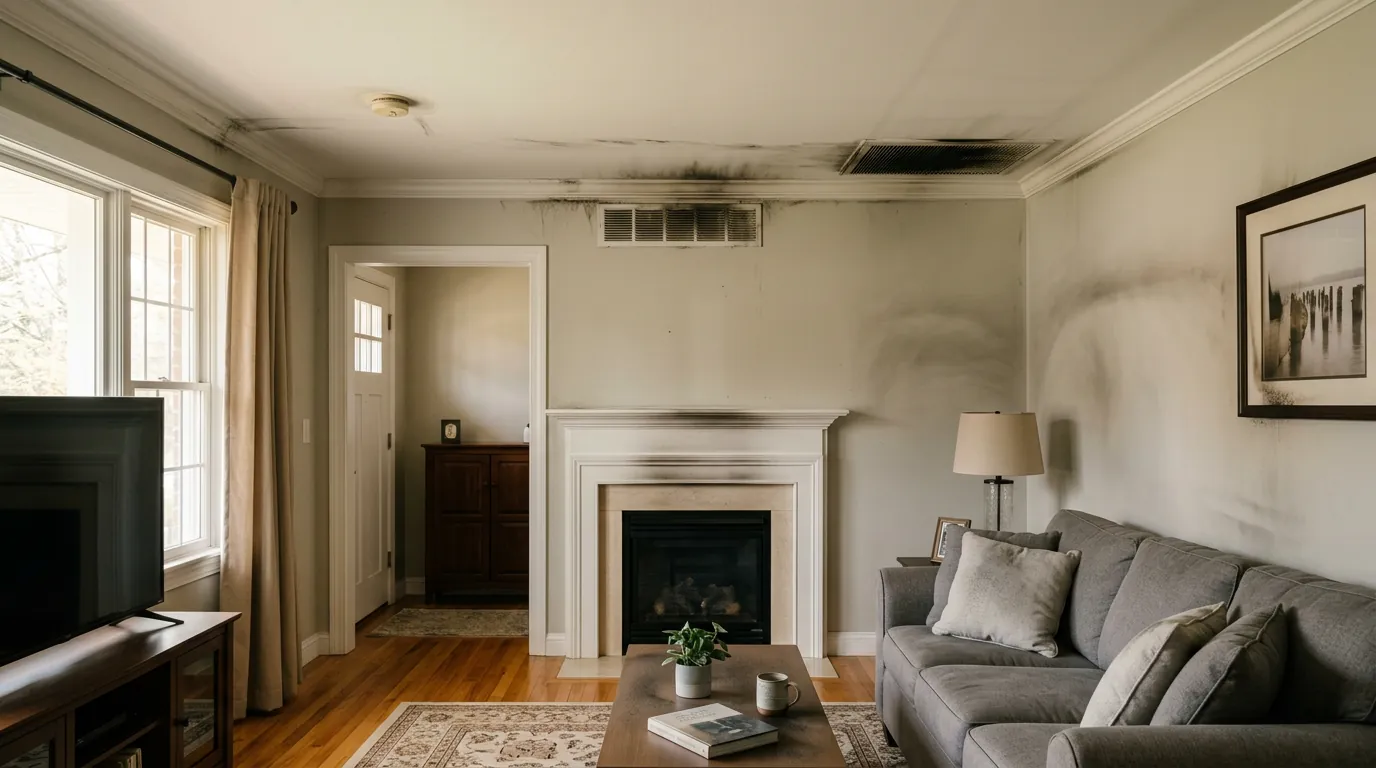
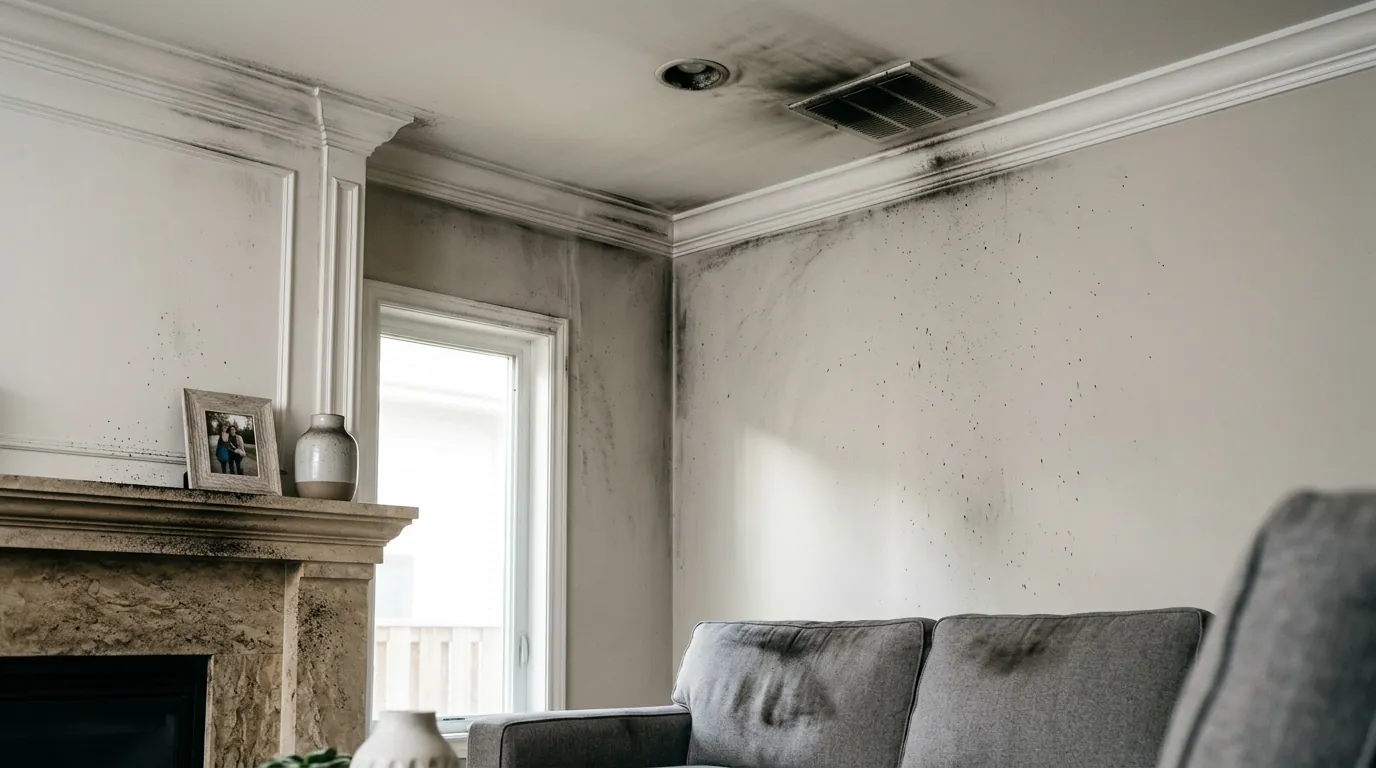
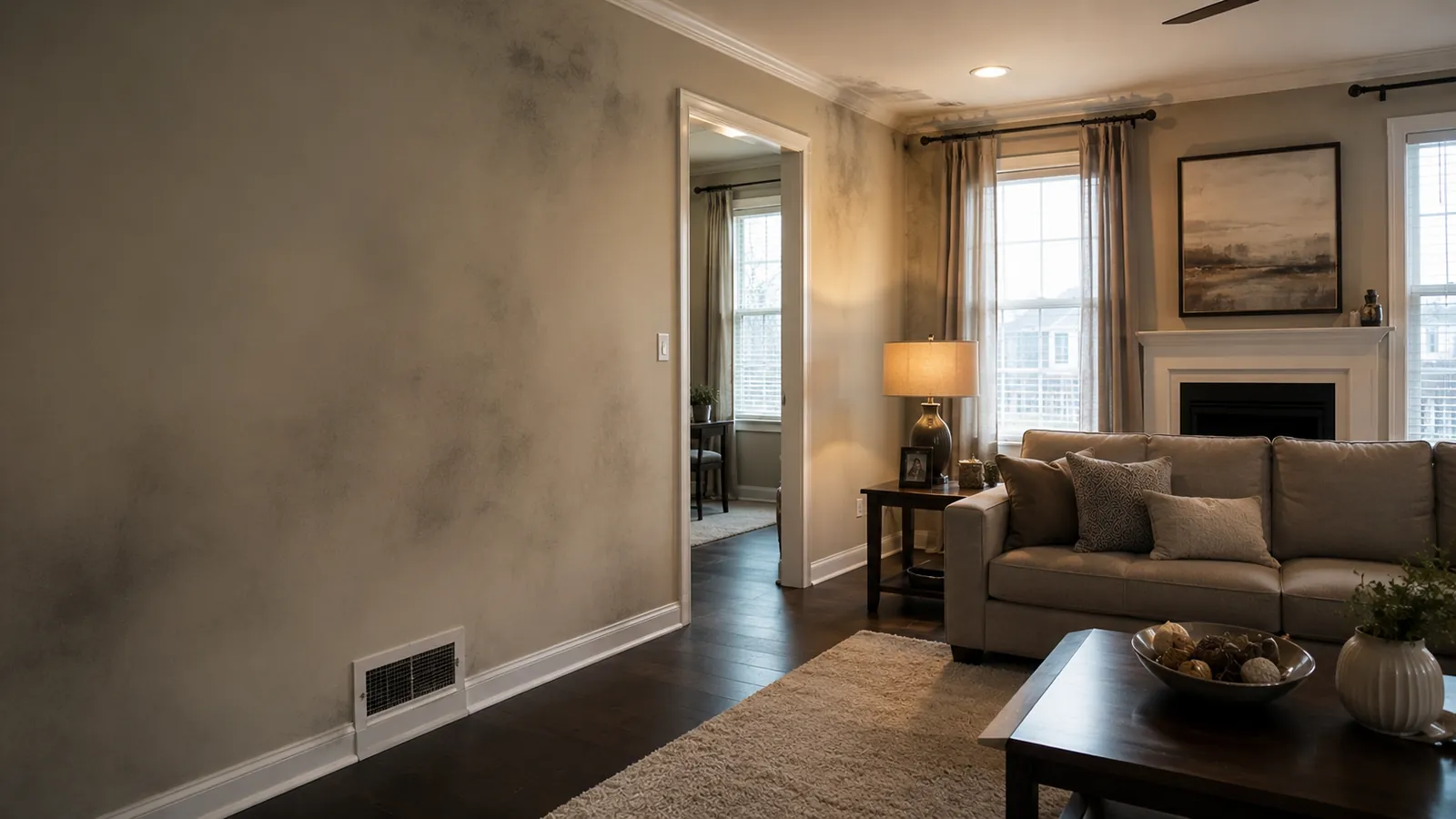
When an oil burner fails to ignite cleanly, unburned oil vapor collects in the combustion chamber and then lights all at once. That little explosion forces soot backward through the system and, if it reaches the ductwork or flue, out into your living space. What you are left with is fine, oily, acidic soot on walls, ceilings, furniture, and belongings — often in rooms the furnace isn't even near. For the full breakdown of how it happens and how it's cleaned, see what is a puff back.
Why winter is puff-back season
Oil systems that sat idle all summer fire up for the first time in months when the weather turns. Worn parts, a dirty nozzle, and delayed ignition are most likely to show up during that first stretch of heavy cycling in late fall and winter. Because so much of Long Island heats with oil, restoration crews here see a wave of puff backs every year the moment temperatures drop — which makes the next few weeks exactly the time to get ahead of it.
Warning signs to watch for
A puff back rarely comes with zero warning. Call your HVAC technician before the next cold night if you notice any of these:
- Soot or black smudging around heating registers, vents, or the furnace/boiler itself
- An oily or "oil burner" smell when the heat kicks on
- Rumbling, banging, or a delayed "whoomph" when the burner ignites
- The system tripping its reset button more than once
- Visible smoke or puffing from the unit
How to prevent one
The single most effective step is an annual professional tune-up before heating season — ideally early fall, but do it now if you haven't yet. A technician cleans or replaces the nozzle and fuel filter, checks the ignition and combustion chamber, and catches the exact faults that cause puff backs before they let go.
Between service visits:
- Don't defer annual maintenance to save money. A tune-up costs a small fraction of a puff-back cleanup.
- Replace fuel filters on schedule and keep the area around the burner clear of dust and clutter.
- Never keep pressing the reset button if the burner won't fire. Repeated resets flood the chamber with oil and set up the exact conditions for a puff back — call for service instead.
- Act on odd noises, smells, or sooting right away rather than waiting for them to pass.
One tune-up a year is the whole game. The homes that get hit are almost always the ones that skipped service — a clean, properly adjusted burner simply doesn't puff back.
If it happens anyway
If you do get a puff back, what you do in the first hour matters:
- Shut the heating system off so it stops pushing more soot through the home.
- Don't wipe the soot. It's acidic and abrasive, and wiping grinds it in and sets stains for good — the same reason you never DIY fire residue, covered in why you should never clean fire soot yourself.
- Photograph everything before anything is touched, for your insurance claim.
- Call a restoration company and your HVAC tech. Puff-back soot travels far beyond what you can see and needs professional cleaning of surfaces, contents, and ductwork — our puff back cleanup and smoke damage cleanup pages walk through the process.
We're available 24/7 across Long Island and the NYC metro — reach us here or call the emergency line if a puff back has already happened.